
 0
0


 English
 italiano
 Polskie
 Nederlands
 Deutsch
 Français
 Español
Головна / Новини та події / Новини індустрії / Крім зберігання: як MS-EMS перетворює арбітраж і реагування на попит на дохід
-
 ШВИДКА ДОСТАВКА
-
 Конкурентоспроможна ціна
-
 Відмінне післяпродажне обслуговування

Пошук продукту
Новини індустрії
Jul 14,2026
Крім зберігання: як MS-EMS перетворює арбітраж і реагування на попит на дохід
Content
- 1 Пам’ять як фінансовий актив, а не просто пристрій резервного копіювання
- 2 Арбітраж Peak-Valley: рівень базового доходу
- 3 Захист від зворотного потоку, захист від перевантаження та відстеження навантаження: функції, які забезпечують законність і безпеку арбітражу
- 4 Реагування на попит: перетворення мережевих сигналів на другий потік доходу
- 5 Прогнозування навантаження та планування виробництва: Чому розширений рівень важливий
- 6 Балансування SOC і виявлення несправностей: захист активу, який генерує дохід
- 7 Deye Cloud: Де числа перетворюються на рішення
- 8 Дохід від масштабування: один EMS, 16 локальних контролерів
- 9 Що насправді означає «поза сховищем» для підсумку
Пам’ять як фінансовий актив, а не просто пристрій резервного копіювання
Акумуляторна шафа, яка простоює між відключеннями, є центром витрат. Та сама шафа, яка щоденно змінює цикл відповідно до тарифу за часом використання, реагує на сигнали мережі та коригує власний графік на основі прогнозованого навантаження, є активом, що приносить дохід. Різниця між ними полягає не в акумуляторі, а в тому, що керує логікою керування над ним.
Діє MS-EMS розроблено спеціально для того, щоб здійснити цю зміну, поєднуючи визначений набір основних функцій із розширеним рівнем, спрямованим на активне одержання прибутку, а не на пасивний моніторинг. У цій статті розглядається, що насправді робить кожна функція та звідки надходять гроші.
Арбітраж Peak-Valley: рівень базового доходу
Концепція основної функції проста: заряджайте, коли електроенергія дешева, розряджайте, коли вона дорога. Що забезпечує надійну роботу в масштабі 100 кВт/215 кВт-год, так це координація між арбітражною логікою EMS і даними осередку в реальному часі від BMS — система повинна точно знати, скільки корисної ємності вона має, перш ніж приступити до графіка розряду щодо завтрашнього вікна пікових цін.
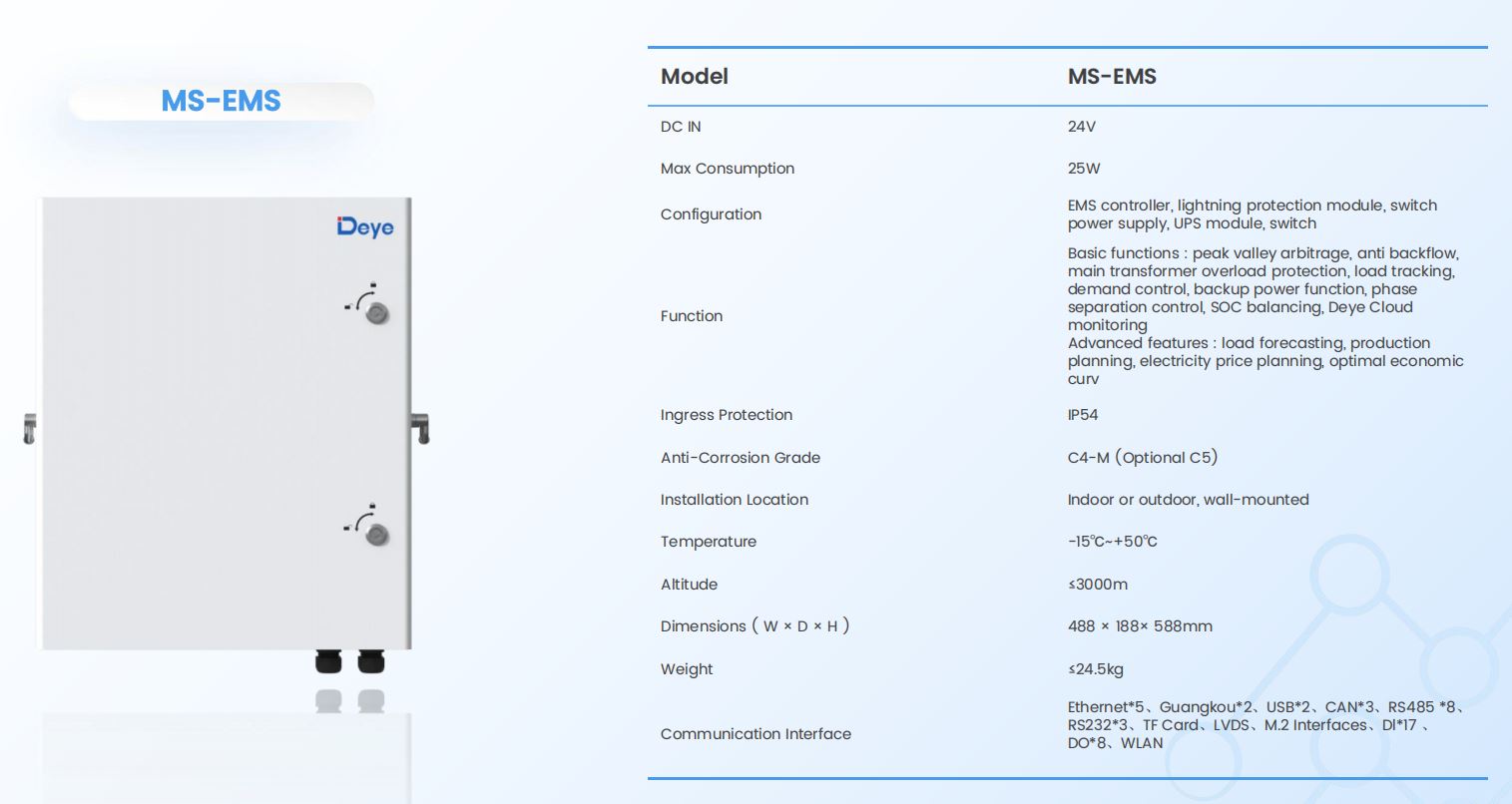
Ця функція вказана як базова, а не розширена, тобто вона працює незалежно від підключення до хмари чи додаткової конфігурації. Для більшості проектів C&I ця єдина функція є тим, навколо чого будується розрахунок окупності перед додаванням будь-якого іншого потоку доходу.
Захист від зворотного потоку, захист від перевантаження та відстеження навантаження: функції, які забезпечують законність і безпеку арбітражу
Арбітраж працює лише в тому випадку, якщо він не порушує угоду про підключення до мережі або не вимикає головний трансформатор. Функція запобігання зворотному потоку EMS запобігає експорту накопиченої енергії назад у мережу, коли це заборонено, тоді як захист головного трансформатора від перевантаження та відстеження навантаження зберігають графік розряду в межах, які фактично може впоратися з електричною інфраструктурою підприємства.
| функція | Роль |
|---|---|
| Арбітраж пік-валлі | Основний дохід |
| Проти зворотного потоку | Відповідність підключення до мережі |
| Захист головного трансформатора від перевантаження | Безпека інфраструктури |
| Відстеження навантаження та контроль попиту | Зберігає викид в межах ділянки |
| Функція резервного живлення | Безперебійність під час відключень |
| Контроль поділу фаз | Балансує навантаження по фазах |
| Балансування SOC | Захищає корисну ємність з часом |
Ці функції не генерують дохід напряму, але без них функція арбітражу не може працювати з повною агресивністю — сайт, який ризикує статися перевантаженням або порушенням зворотного потоку, має залишити резерв на столі. Надійна логіка безпеки — це те, що дозволяє арбітражній стратегії фактично використовувати повну номінальну потужність.
Реагування на попит: перетворення мережевих сигналів на другий потік доходу
Арбітраж працює за відомим опублікованим розкладом тарифів. Реагування на попит відрізняється — це реактивна функція, яка реагує на сигнали оператора мережі в режимі реального часу під час періодів стресу в системі, і вона відкриває окремий канал доходу через участь у програмі реагування на попит, а не лише за тарифом.
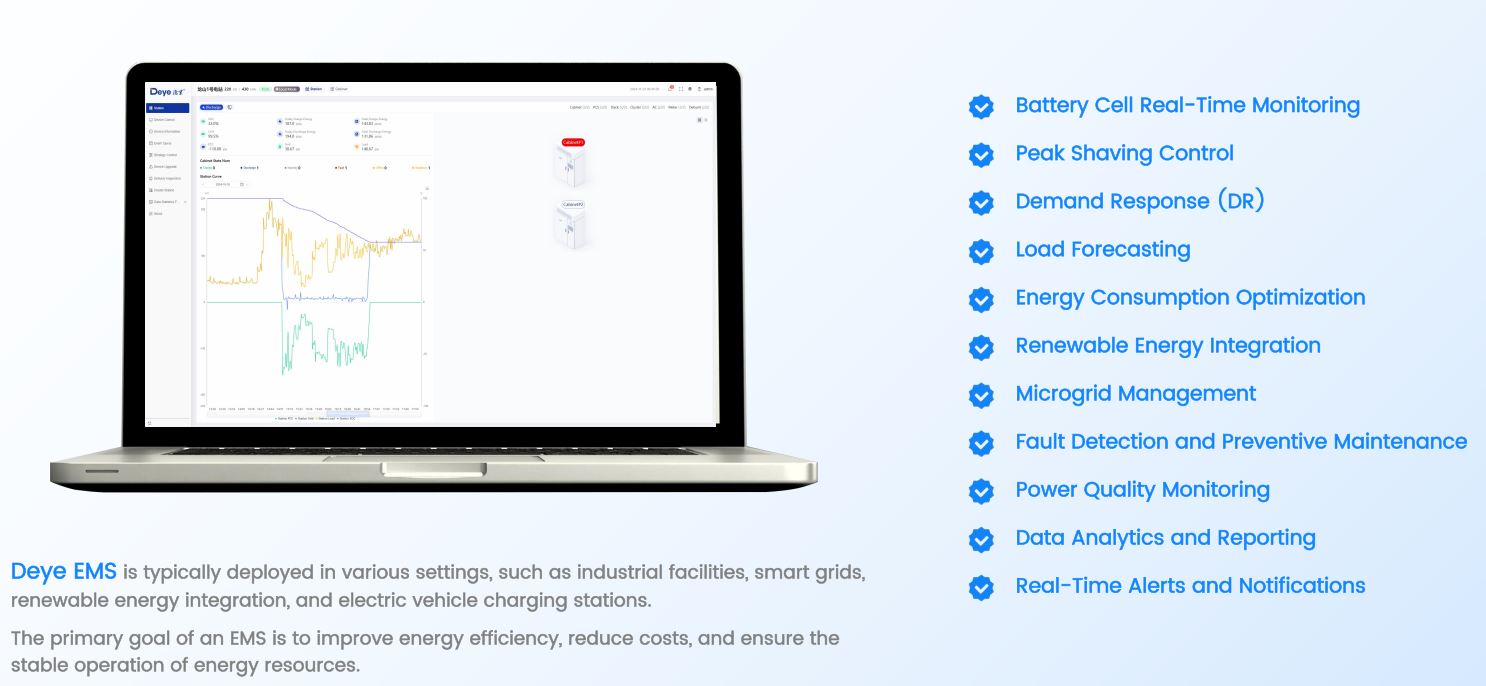
Запуск обох функцій в одній шафі означає, що той самий актив 100 кВт/215 кВт-год отримує прибуток за допомогою двох різних механізмів — передбачуваного щоденного арбітражу та реагування на попит на основі подій — без необхідності окремого обладнання для кожного.
Прогнозування навантаження та планування виробництва: Чому розширений рівень важливий
Базовий набір функцій працює реактивно — арбітраж проти відомого тарифу, захист від відомих лімітів. Розширений рівень спрямований на майбутнє: прогноз навантаження, планування виробництва, планування цін на електроенергію, і розрахунок оптимальної економічної кривої, який проектує найбільш вигідний графік зарядки/розрядки до початку дня, а не реагує щогодини.
Це різниця між системою, яка фіксує арбітражний спред, який трапляється, і системою, яка активно планує навколо прогнозованого спреду. Для сайтів зі змінною генерацією фотоелектричної енергії, що подається в ту саму шафу, прогнозування навантаження також має враховувати очікувану сонячну потужність завтра, коли вирішує, яку потужність, заряджену мережею, резервувати на ніч.
Балансування SOC і виявлення несправностей: захист активу, який генерує дохід
Кожна функція, наведена вище, передбачає, що батарея продовжує працювати при номінальній ємності. Балансування SOC запобігає виходу окремих груп елементів з вирівнювання під час повторних щоденних циклів, що є тим, що арбітраж і реагування на попит піддають батарею набагато агресивніші навантаження, ніж резервне використання. Функції виявлення несправностей і профілактичного обслуговування вловлюють тенденції погіршення якості, перш ніж вони перетворяться на збої, які виведуть прибутковий актив з ладу.
Варто сказати про це прямо: шафа, що щоденно циклічно змінюється для арбітражу, відчуває більше стресу, ніж шафа, що зберігається в резерві для збоїв. Функції, які захищають збереження потужності, тут не є необов’язковими накладними витратами — саме вони забезпечують дійсність моделі доходу протягом багаторічного періоду окупності.
Deye Cloud: Де числа перетворюються на рішення
EMS запускає логіку керування на місці; Deye Cloud — це рівень, який перетворює оперативні дані на поточні рішення. Його описують як набір на основі штучного інтелекту, що охоплює проектування заводу, керування пристроями, моніторинг енергії, диспетчеризацію енергії, аналіз ефективності та координацію на межі хмари — із названими можливостями динамічної оптимізації цін на електроенергію та інтелектуального прогнозування навантаження.
Платформа визначає результати в явних фінансових термінах — зменшення пікового споживання та витрат, збільшення власного споживання, збільшення прибутку підприємства — а не чисто технічні показники моніторингу. Цей фреймінг має значення для того, як оператор сайту фактично щоденно використовує інформаційну панель: вона створена для відповіді на те, «що це заощадило або заробило», а не лише «чи система онлайн».
Дохід від масштабування: один EMS, 16 локальних контролерів
Кожна функція, описана вище, пов’язана з тим, наскільки один EMS може масштабуватися. Один блок MS-EMS підтримує до 16 місцевих контролерів , причому в кожній шафі MS-G215/GS215 працює один LC — це означає, що для проекту, який масштабується до платформи з 20 паралельними блоками в мережі, потрібні щонайбільше два блоки EMS, щоб запускати ту саму логіку арбітражу та реагування на попит у всьому масиві.
| Сценарій | Основний фактор доходу |
|---|---|
| Індустріальний парк | Арбітраж пік-валлі, demand charge reduction |
| Відкрита промислова зона | Власне споживання, компенсація палива генератора |
| Комерційні комплекси | Реагування на попит, пікове гоління |
| Мікросітка | Інтеграція відновлюваних джерел, допомога в мережі |
Що насправді означає «поза сховищем» для підсумку
Жодна з описаних тут функцій не працює окремо — для арбітражу потрібні функції безпеки, щоб вони працювали на повну потужність, для реагування на попит потрібне балансування SOC, щоб підтримувати заряд батареї під час виклику, а для розширеного рівня прогнозування потрібен рівень даних Deye Cloud, щоб створити розклад, якого варто дотримуватися. Випадок прибутку для шафи для зберігання C&I – це не специфікація батареї; це те, чи може EMS, що її координує, виконувати всі ці функції разом, не підриваючи одну іншу.
Для команди проекту, яка розробляє модель окупності, практичним наступним кроком є перевірка того, які з цих функцій активні за замовчуванням, а які налаштовані для кожного сайту — питання, яке варто розглянути в повній мірі Лінійка рішень C&I ESS , а також як система перетворення електроенергії виконує стратегію ціноутворення та диспетчеризації EMS в реальному часі.
←
Пояснення перемикання STS менше 10 мс: MS-MPPT400-2 проти MS-TS500-2
→
Утримання клітин при температурі нижче 35°C: шлях MS-GS215-2H3 до 6000 циклів і 70% EOL
супутні товари





Рішення
Контактна інформація
 +31610999937
 [email protected]
 De Werf 11, 2544 EH The Hague, Нідерланди.
- WhatsApp: +852 65283075
QR-код
Авторські права @ 2023 Uni Z International B.V. ПДВ: NL864303440B01 Всі права захищені
 Рішення та продукти для систем зберігання сонячної енергії